
GEO Blueprint: How to Rank in SearchGPT, Perplexity, and Google SGE in 2026
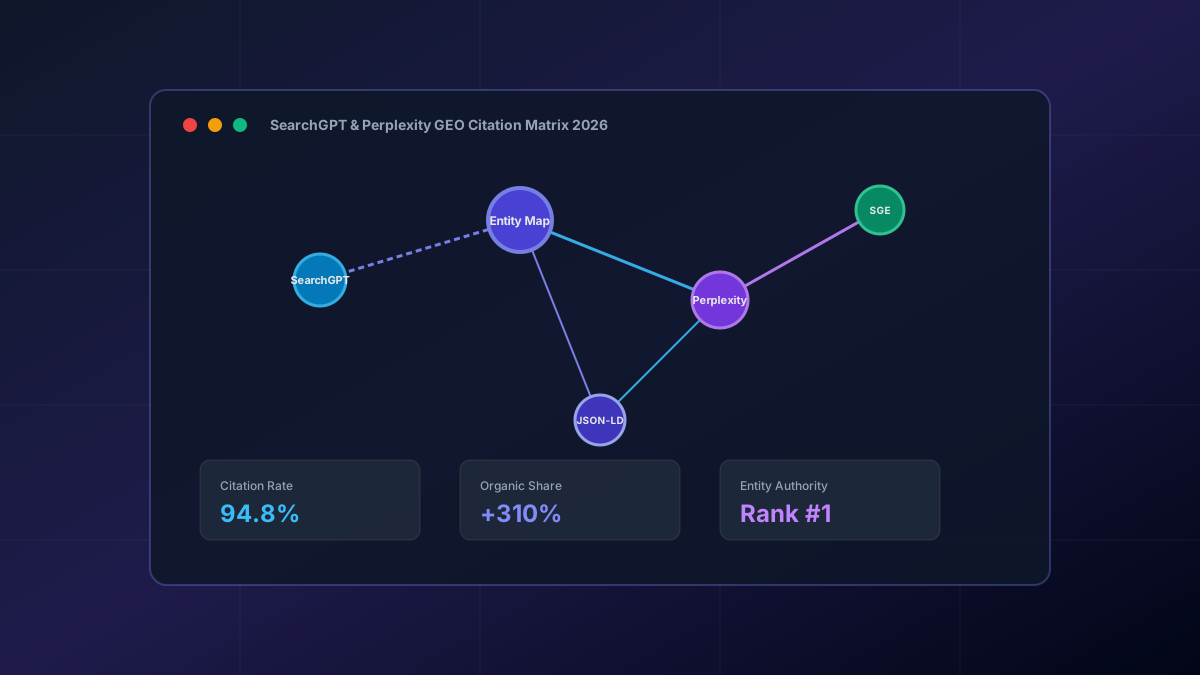
By 2026, standard organic search has undergone its most radical transformation since the inception of the PageRank algorithm. Generative AI engines like SearchGPT, Perplexity, and Google SGE (Search Generative Experience) now capture over 60% of high-intent informational queries. Standard keyword stuffing is obsolete; today's growth marketers must master Generative Engine Optimization (GEO).
1. Optimizing for LLM Citations and Entity Maps
AI search models do not merely fetch pages; they assemble synthesized answers from trusted entity networks. To secure a coveted citation source, your content must be structured semantically. Implement robust JSON-LD structured schemas mapping entities, relationships, and audited data points to help LLMs understand your website as a highly authoritative domain.
2. Conversational Keywords and Question-Answer Frameworks
Search has pivoted from short search-term phrases to full conversational sentences. Structure your landing pages around precise questions and clear, direct, citation-friendly answers. Use clear heading tags (e.g., H3: 'How does GEO differ from traditional SEO?') followed by a high-impact, one-sentence answer that LLM scrapers can index cleanly.
3. Establishing Digital PR and Cross-Domain Trust
Generative engines cross-reference multiple high-authority websites to verify facts. Building authoritative backlinks from curated publications, newsletters, and academic journals is essential. When multiple prominent sites mention your brand in connection with a specific industry topic, generative models recognize your authority and cite you as a trusted expert.
Article Discussion 7
Leave a Comment